You can use your priorities as a basis for comparison. You may want cannabis-focused counseling, a better description of how care is planned or a comprehensive strategy that considers other health needs. The useful information is how a service handles those interests. There is no way to describe the whole offering by a program name or a list of conditions.
Cannabis use disorder can involve difficulty controlling use and continued use despite harmful consequences. A trained professional can determine whether the condition exists and discuss proper care. You don’t have to make that call yourself to check out programs. It’s a way to learn about organizations and decide where you’d like to have a more personal conversation.
Some centers may include marijuana concerns as part of broader substance use services. So a clear explanation is even more valuable. You may find information on the approach, the role of assessment and who is involved. Those details let you compare care without assuming that anything under a broad addiction heading does the same thing.
A specific explanation of the services is more useful than a collection of reassuring phrases. It could detail how sessions are organized, how goals are addressed, or how the program takes into account previous care experiences. This gives you a practical basis for deciding whether to contact a center, even if some details still need to be clarified directly.
Behavioral treatments, such as cognitive behavioral therapy and motivational enhancement therapy, can help people with cannabis use disorder. There are no drugs that have been approved by the FDA for this condition. A center can describe the approaches it uses and how they fit within its service. With that explanation you can make the comparison without relying only on the name of the treatment.
Ways a program might organize participation include one-on-one counseling and group sessions. You might have a preference, or you might want to understand each format before deciding whether to contact a center. A description of the format gives you something concrete to talk about instead of you having to imagine what a generic counseling label means.
A program might talk about how it learns about a person's circumstances and includes them in discussing priorities. Such details help to make personalized care more understandable. If earlier treatment has shaped what you are looking for now, knowing how a center approaches planning can be a useful part of deciding whether its service deserves a closer look.
Outpatient services usually involve appointments without staying at the facility. Residential care means you live at a treatment facility. An individual assessment is needed to determine the level of care required. These categories are different setups. They are not proof that one setup is automatically right for everyone looking for support with marijuana.
You can refine your search with a setting filter. If a program catches your eye, the actual schedule gives useful detail. Because the demands of outpatient care are different, the frequency and hours of appointments are more important than an assumption based on the category. A center can describe the organization of the service and the meaning of participation.
In residential care, the daily structure and the services during a stay are useful distinctions. You might also want to know the approach to continuing support. A center can explain which continuing-support arrangements it provides directly and which involve another service, making the comparison clearer than a general statement about help after leaving.
A preference about the arrangement can start a search without settling the clinical decision. There are many options to explore and discuss with a professional. The value of browsing is learning enough about the programs to make those conversations more targeted, not substituting a category for an assessment.
If you stop or significantly cut back on heavy or long-term cannabis use, you may experience withdrawal symptoms such as irritability, trouble sleeping and a reduced appetite. This can happen even without cannabis use disorder. Those concerns can be evaluated by a qualified professional. The description of assessment and support in programs may help you decide where to ask about them.
Mental health and substance use problems can co-occur. Integrated care takes a coordinated approach to both. If a program is talking about mental health support, it is useful to know what the organization provides and what needs a referral. Understanding these different arrangements gives a broad description of care more specific meaning.
Team info, if available, can provide context. A center could explain staff roles, professional backgrounds or people who run the organization. The useful connection is to the particular service that you are thinking of. You can ask about who that care would involve rather than assume everyone on the list works in every program.
Hillcrest might be a familiar frame of reference when you think about where appointments might fit into your day. What you still need is the actual service address. A center with multiple locations might have different programs at each location. Therefore, the address of the care you are getting matters more than the one you recognize first.
Another familiar reference point you may consider is Riverfront Park in Little Rock. Familiar places provide context to a search and the program’s own location information shows where care is provided. You might also want to look at options within the city or nearby. In either case, it’s good to keep those service locations clear.
You can maintain geography as one factor with the approach, setting and schedule. The choice does not have to be determined by a recognizable part of town. A program elsewhere may be worth exploring if its description matches your priorities, and the center can explain the arrangements specific to that service.
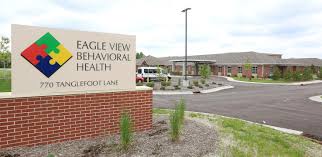
Photos, reviews and descriptions of care may be included on center pages. Photographs can show aspects of a center’s surroundings, while reviews reflect individual experiences. They don’t determine your own outcome. Along with clear program information they can help you develop a fuller introduction and pinpoint what you would like explained directly.
Also payment information needs to be linked to the actual service. An insurance category is not a confirmation of individual coverage or final expenses. The center and insurer can explain what applies to the program you are looking into. That discussion tells a more useful financial story than just using a general payment label as the whole answer.
If you are comparing with someone else, a common view of the information can help to focus the discussion. Different details may interest each of you as you compare the programs. These observations can help shape the next question, keeping the wishes of the person contemplating care at the heart of the decision.
A first conversation doesn’t have to accomplish everything at once. You can focus on the parts that are still not clear, like how the assessment is done or what a particular schedule means. The information you’ve already explored can make that time more productive and help you decide if you want to continue learning about the service.
Cannabis may be the main concern, but not the only issue you want a program to understand. Broader addiction treatment options in Little Rock can help you explore services in that wider context. You can keep your priorities in view while identifying organizations whose descriptions give you a useful reason to contact them.
The center pages are intended to assist organizations in presenting and maintaining information about their work. Where available, website links and direct messaging offer the opportunity for further exploration or questions about care. Use the marijuana treatment listings on this page to consider the details that matter most to you, and contact a center you’d like to learn more about.