Searches for methamphetamine treatment can yield programs with varying settings and emphases. A general description of addiction may not tell you how a specific center deals with the issues that brought you there. Opening its page gives you more to work with. You can compare what the facility says about its services and find any points you want clarified directly.
Behavioral therapies are effective in treating stimulant use disorder, including problems related to methamphetamine. The right course of action depends on individual needs and professional evaluation. This site is not the place to make a clinical decision from a service name. It’s a way to find programs, learn how they describe their work and prepare a more informed inquiry about care.
You can then refine your search to Meth but still browse locations and other categories that are available. If you are unsure about an option, you might want to keep the search broader so that it is easier to see the differences. Filters sort the results based on your choices. They do not diagnose or determine the appropriate level of care for a person.
The next useful action is often to read a center page rather than continue to adjust the search. A longer description may answer something that the short listing does not. It may also help you find out which question is most important, for direct contact. Both outcomes give the search more purpose than just collecting a list of names without knowing what separates them.
You go to the outpatient services and don’t live there. Residential programs require that you live in the treatment setting. Services, schedules and participation requirements vary within those categories. A center’s explanation provides additional context beyond the setting label. This site helps you compare programs to discuss and a qualified professional can assess the level of care that is appropriate.
Or maybe you already want to explore one kind of setting, or you’re weighing several possibilities. Either approach is allowed by the search tools. Separate the practical details from the clinical questions: convenience may affect participation, but it is not a proxy for suitability. The center can explain how it determines needs and what its program offers.
Your week may include stops in Federal Hill and Canton or your daily routine may be concentrated in another area of Baltimore. The address on a listing can help you know where a facility fits into that picture. Put it together with the service info. Don't let an old neighborhood name make the whole decision. The more thorough a comparison the more you have to discuss with the center.
Current attendance expectations and appointment arrangements must be confirmed directly. A page might introduce the program without having all the things that could affect your participation. It’s a reasonable first question, to ask about those arrangements. You can find out how a program works and then decide if you want to go further with that facility.
A center may list multiple areas of care, but not every area may be available. Confirm availability of the service you want to discuss and ask how an assessment is arranged. That conversation is based on the listing. It doesn't reserve or promise admission. The program can tell you details of what it is doing now and explain how it deals with a first inquiry.
We allow facilities to share information about the organization and its services. Team details, images, reviews and descriptions of a center’s approach are included where available for comparison. Some pages will have more information than others. The goal is to allow you to explore what the facility has provided you with and to discover what you want to learn next.
The staff section can be used to introduce owners, managers, doctors or other team members. Reading the roles helps you get the importance of those details. A leadership position is not a clinical role and a name on a page does not promise that person will work with everyone receiving care. Questions about the team involved in a given program belong with the center.
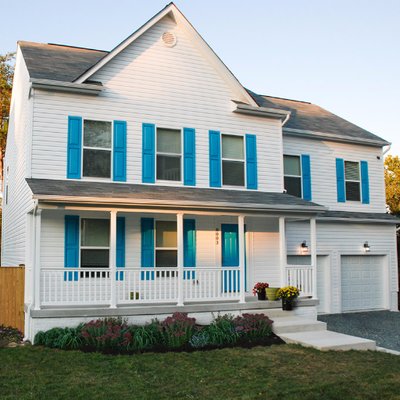
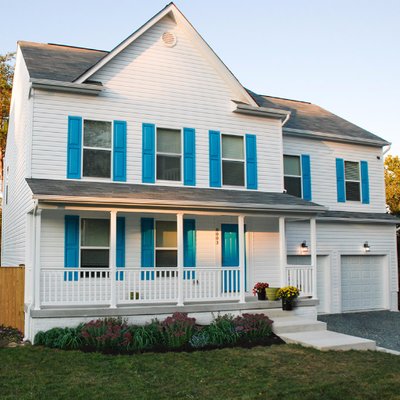
Photos can help you picture a setting without predicting the treatment experience. Individual reviews might ask useful questions, but they aren't going to predict your own experience. See these items in conjunction with the service description and other facility information. The comparison becomes more powerful when no one image or opinion has to stand for the entire program.
If a page has a blank spot, you may ask the center rather than guessing at the answer. Where a link is included, the facility website may provide additional information. You can also ask a question via this site using the messaging options. We have included those pathways in the search so you can keep exploring an option with the organization itself.
Available insurance and payment information can help identify options to investigate, but it does not confirm your exact benefits or charges. Before relying on them, ensure that the facility and insurer confirm the applicable arrangements. The payment filter is a tool to organize, not a guaranty that a particular plan will cover the services you are looking at.
A good first question to ask could be about a service, a schedule, or the assessment process. You don’t need a full list of questions to begin. The center page gives you the background so you can ask about the point that counts now. As the facility explains its program, you can figure out if there’s more you’d like to explore.
Compare how programs describe other substance-related services. Then, go back to a more focused search. Browsing a category isn't a diagnostic tool. This is a way of organizing information, while leaving clinical assessment to the professionals best placed to do this.
People often look at programs for someone they care about. If that is your purpose in being here, you can get practical information on services and ways to contact without assessing the person’s care needs yourself. A center can explain how questions and assessments work. Those details can make a conversation with your loved one more useful than an unexplained list of facilities.
Your previous treatment experience may also influence what you want to compare. You may know that this time a certain detail is worth attention. The information here can help you find relevant questions but current arrangements need confirmation. No past experience or listing description is a guaranty of what a new episode of care will be.
Patterson Park might orient you to a location, but the useful picture includes more than geography. Read the setting, services and facility details together to understand why you are interested in an option. The search might end in one question or one contact point. That is a tangible next step, even if a larger decision remains an open question.
It’s worth taking the time to compare support. We provide ways to reduce the choices and center pages so that the differences can be explored more easily. Once you’re ready to have a conversation with a facility, you can use the contact options available. Browse the listings of meth treatment on this page and find a Baltimore program you’d like to know more about.