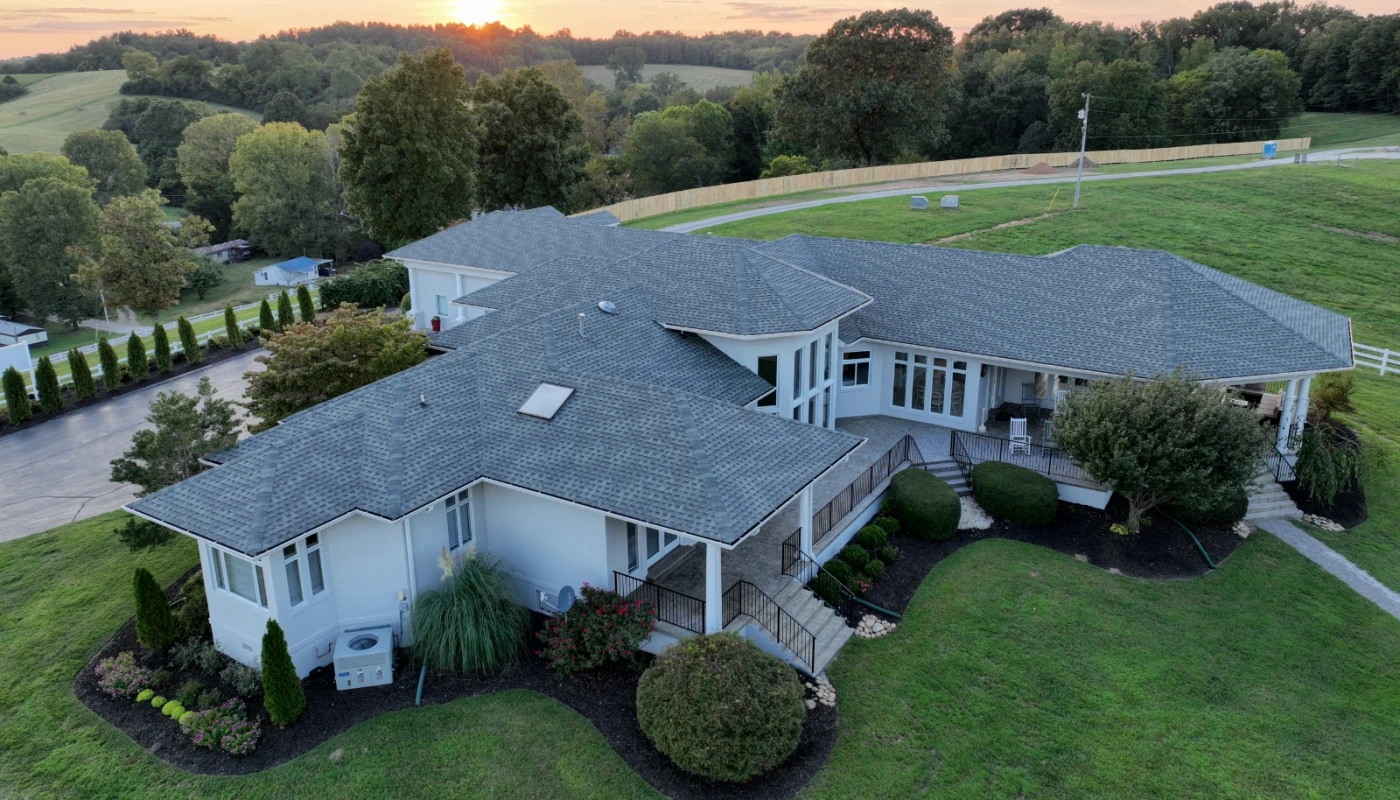
A good first impression is the general introduction of a center, but the fuller description may show differences that are important for your search. It can explain services, identify a setting or describe the program focus. Those details allow you to compare real options instead of assuming all facilities in a broad category are the same. They also give a more concrete starting point for a later conversation with the center.
Cocaine is habit-forming, and there are behavioral therapies for treatment. A trained professional can evaluate the person's needs and the support that is suitable. For someone browsing these listings the critical task is to understand what a program claims to provide. The center page can help you find a service you want to talk about without implying that a listing is an individual clinical recommendation.
You can use the available filters to refine your results based on the dependency, setting or type of rehab you are considering. This can make the search easier if you know what you are interested in. If you are still building your priorities, reading a variety of descriptions may help solidify them. In any case, the information of the program itself provides the context that broad categories cannot provide by themselves.
We offer centers room to outline their services, setting and staff. Some center pages include images, reviews or team details in addition to service descriptions. The amount of information will vary but the goal is the same: to help you understand an option well enough to decide if you would like a closer conversation.
You may be drawn to some aspect of a program; that is a perfectly reasonable starting point. One reader might have been in care before and is looking at how a service is described, another reader wants to get a sense of the environment. This site accommodates those different priorities. A useful comparison does not require that each visitor start with the same question or that each feature be equally important.
When a center submits their team information, you may see information about the clinicians, management or ownership. Those details put faces and roles behind the program's name. The useful bits of that are the specific duties and the relevant qualifications. They can help you work out what to ask about how the program’s services are currently being delivered, and by whom.
A page can introduce a role without explaining every aspect of the service. You can use that introduction to help you shape a focused question for the center. Your question may pertain to a specific type of support or the program design. This is one way this site can make contact more useful: the conversation can start with something you already understand, rather than a totally general question.
Pictures can make it easier to imagine an unfamiliar place. That might be especially relevant if a residential stay is part of the conversation. The service description of the program provides further context to the physical environment. Looking at both lets you see the setting as part of the bigger decision with the care being talked about and the needs of the person assessed.
Reviews can provide a personal perspective on a center, but they don’t guarantee your experience. They are most useful when combined with the services and other information the facility shares. A comment might pose a question you want to discuss, or it might just set the scene. It doesn't have to be the only thing that determines if a program is worth your attention.
Outpatient services and residential programs are different arrangements. Clinical assessment helps determine the level of care. When you’re looking at relevant options, the center page can help you get a feel for how a particular program presents its services. A broad setting label leaves many details unspecified, so it is the actual description that makes the comparison more useful.
Nashville's neighborhoods can help put that information in context. Someone who spends a lot of time in Sylvan Park during the week might think about an address differently than someone who lives in Edgehill does. The location on the center page gives you a tangible place to think about in connection with the program. It can help you visualize the practical arrangements that you would like to discuss around appointments or a stay.
Work, family and other responsibilities may all be considered. You don't have to finalize all arrangements before you start reading about programs. The information you have available can lead to a useful search and if an option interests you a more specific conversation can follow. The center can tell you how its present services relate to the questions you have.
Payment information can help you determine which options to pursue further. Verify actual costs and individual insurance benefits with the program and insurer, as appropriate. And when you think about those details in addition to the services, it can help make that next conversation a bit more concrete and tied to the decision you’re actually making.
If a center page leaves an important point unclear, it does not mean the search has stalled. It may just show you what to ask next. A short description can introduce an option; a longer page can explore a detail of care in more depth. The helpful question is whether the information gives you a reason to continue learning about the program and a way to focus that conversation.
You can read individual center listings here to explore relevant services. Information is organized into a clear search category. A professional assessment may include other substance use or health needs that may be relevant to care.
Your previous treatment experience can help clarify what you want to learn this time. You could be looking for an alternative setting or a more detailed explanation of a service. You may already know the questions that are most important to you. This site lets you compare available information with those priorities in mind, instead of forcing every search to begin from the same place.
Center pages offer specific information for discussion with the loved one you are helping. Some people will notice different things, but the person’s own preferences and clinical needs should stay in the focus. A clear description can help make that conversation easier to ground in concrete options, rather than broad assumptions about what rehab should be.
If The Nations is a frequent stop on your Nashville itinerary, it might be one of the local landmarks you connect with a center address. Then the services and other details can help you to better understand the program. Your next helpful step may be to choose one option you want to contact, without making all the decisions about care in advance.
We help you sift through the information and see meaningful differences between programs. Read the center pages that interest you, compare the services they describe and use the available website or messaging options when you are ready. Look through the cocaine rehab listings on this page and find a Nashville program you would like to know more about.