Rehab is a term that covers many different types of programs. The name of a center, by itself, may not tell you how services are organized, who they are for, or what participation means. The search tools help you to filter your selection and the individual listings give you room to look beyond a general label. That combination is useful both when you do have a preference and when you're still weighing possibilities against each other.
Start with the details most important to your search. The treatment setting, the conditions a center treats, and its stated services can help you distinguish one option from another. You can keep the search broad at first instead of ticking every available filter option. If you find a program that appeals to you, check out its center page for a fuller description before contacting them directly.
Cannabis and marijuana are often used interchangeably when searching for treatment. Some people develop a condition called cannabis use disorder. However, simply using cannabis does not mean that someone meets criteria for this diagnosis. A qualified professional can evaluate concerns and discuss appropriate care. This site is not intended to make a diagnosis based on information you enter, but rather to help you find programs to contact.
A center may include marijuana as one of the conditions it treats. Read on to find out what it has to say about the relevant services and how care is given. General addiction treatment information can be helpful but a specific description leaves you more to work with. If the page doesn’t answer an important point, the facility is the proper place to get a current explanation of its approach.
Outpatient programs allow people to go for scheduled treatment without living at the facility. Residential care is living in a treatment facility. Those are broad distinctions, not a recommendation that either is right for everybody seeking cannabis treatment. Clinical needs and professional assessment are important, but so are practical considerations that pull people toward a certain kind of program.
You can use the setting filter to sort the listings around a desired option. It is no substitute for reading the description of the center. Programs in the same category can differ in schedule, services and expectations. Comparing these details is more useful than presuming that two facilities with the same setting label will provide the same experience.
Your day might revolve around East Nashville, Germantown or another part of the city. Therefore, the location of a facility is factored into the comparison, especially if you are looking at a schedule that would require regular appointments. Local context is something to consider along with the services described in the listing. A familiar area can help orient the search, but should not be the sole reason to consider a program.
Verify information like availability, appointment times and participation requirements directly with the center. You can also use the information on its page to help you know what questions still need answering. You do not need to answer all the questions before opening a listing. The idea of browsing is to get a better sense of the options, one useful tidbit at a time.
On a center page, use available insurance or payment information to draft questions regarding your situation. A listed insurer does not decide what your specific plan will cover or what you may be liable for. Check with the appropriate insurer and facility for the benefits and any costs. Our filters can help you find opportunities without turning a search result into a coverage promise.
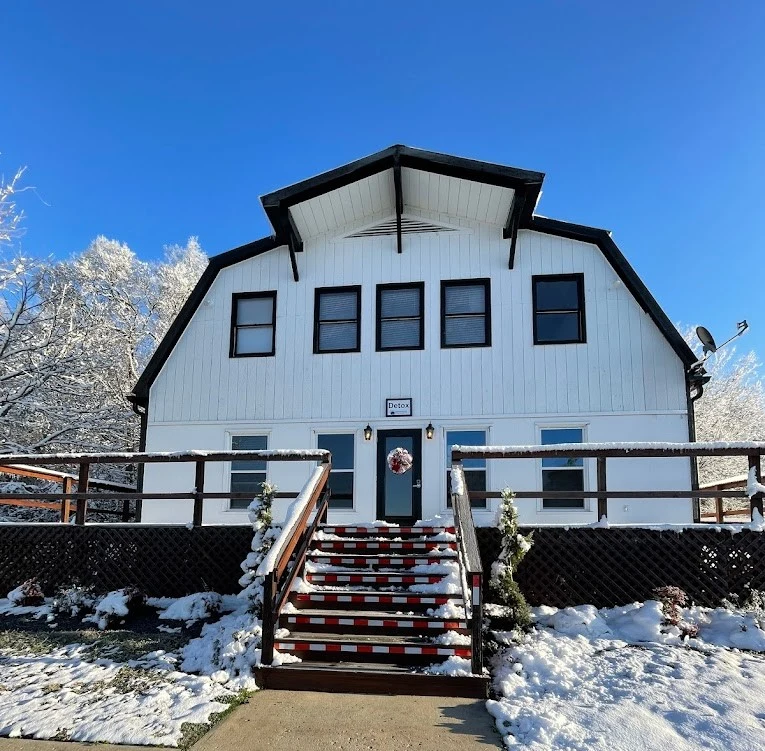
We want the comparison to be more than just a service category. When that information is available, a center page can collate descriptions, team details, facility images and reviews. These elements allow you to see how a program presents itself and what makes it different from another option. Some pages will have more information than others, as facilities add and maintain their listings.
View the different parts of the page as complementary. A description could give information about the services, and a staff section could list the people and their roles. Pictures offer a glimpse of the place, not a promise of care. These details together make for a better starting point to contact the program than any of them alone.
When a facility provides information about its team, the role descriptions can give you an idea of who does what in the organization. The staff section can also provide useful background to a later conversation about the people involved in care. It is not to be read as a guaranty that any given professional will work with anyone who calls the center.
Perhaps one listing answers a question that another leaves open. This does not mean that either facility is to be judged immediately. It can only indicate where direct contact would be useful. We make room for the information centers give you so you can compare it and decide what else you want to know.
Reviews are the opinions of other people, not a prediction of what your experience will be. Read them with the program’s stated services and other center information. A strong opinion one way or the other is still just one piece of a larger comparison, not a replacement for understanding the care being provided.
Your search for marijuana rehab does not have to be an exercise in learning all the clinical terms. Behavioral approaches are used to treat cannabis use disorder. The center can discuss how their services relate to your concerns. The main thing at this stage is to find programs that identify the right support and allow for a discussion with trained staff.
If you are searching for multiple drug issues, the more general addiction treatment listings in Nashville can help you begin looking at other options. If you want to make the comparison more specific, you can go back to the marijuana-specific results. You can move between broad and narrow searches as you learn what is available; you do not need all the answers in advance.
The next step can be a simple question about a service, a schedule or the information on a center page. Some listings offer messaging, so you might be able to contact the facility through this site. A website link is another way to continue learning about the program. They are pathways to the center and not a guaranty of immediate availability or admittance.
Another helpful thing that you can do to help a family member or friend is to collect information. You can compare what the listings say without making a clinical judgment about what another person needs. The facility can explain their assessment process and talk about what a first conversation is like. There is time to learn before a bigger decision about treatment.
You may know Belmont-Hillsboro well, or you may find yourself looking in another part of Nashville. Information that helps you understand an option better is the right starting point. Rather than asking one feature to do the decision-making for you, a meaningful comparison combines location, services, setting and the details available on the center’s page.
It’s a good step to take the time to look. We’ll give you tools to investigate the options and ways to contact the facilities you’re interested in. You can keep your attention on the search for what matters now, and return to other questions later. Browse the marijuana treatment centers listed on this page and pick one you’d like to learn more about.