Drug rehab is a broad term for various types of care. A center might treat multiple substance use disorders, provide a specific type of counseling, or coordinate medical and behavioral services. Understanding that focus helps you identify programs relevant to your search. This also means that a more detailed service description is especially useful when several listings appear similar at first glance.
Management should be based on the individual's pattern of drug use, health status and other factors that may influence care. Someone on opioids may need to look at medication services different from those offered in a stimulant-focused program. A person with more than one substance use disorder may benefit from a plan that addresses those needs at the same time. The individual circumstances are part of the puzzle, and so is the substance name.
A useful center page gives you concrete details to compare like the treatment approach, the professionals involved or the program structure. These details help turn a general search into a more specific list of possibilities. They also give you a framework for understanding how a provider would assess and categorize the care you are considering.
Medications such as buprenorphine, methadone and naltrexone have been proven to treat opioid use disorder. Counseling and other support can be a complement to medication. So a program’s description of its medical services is a meaningful point of comparison for someone exploring heroin or other opioid treatment. The provider can explain the services it provides and how they fit into an individual plan.
Behavioral approaches are important for stimulant use disorders, for drugs such as cocaine or methamphetamine. Contingency management has solid empirical support and uses positive reinforcement to achieve particular treatment goals. Programs may also use techniques such as cognitive behavioral therapy. It is more useful to look for an explicit description of the care provided rather than to assume that all centers use the same methods.
The amount of structure in a program can affect how the treatment feels on a day-to-day basis. Residential care means living at the facility. Outpatient services involve appointments without living there. Intensive outpatient care involves a more substantial weekly treatment schedule. Each setting has a different practical shape and clinical assessment helps to determine what level of support is appropriate.
A residential program might appeal to someone looking for a setting where care is structured throughout the day. Service descriptions can explain how counseling, medical support, and other components are organized. The mix of individual work, group sessions and other activities varies among programs. Knowing the daily structure will help you visualize participation more clearly than a description of accommodation alone.
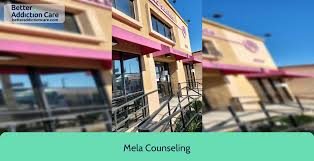
If a center offers facility photos or team information, it can add context. Team info can help explain who is giving care, and pictures give a feel of the environment. See them together with the described clinical services. Together, they can help make a strange program more understandable and help you figure out what you might want to address with its staff.
Outpatient drug treatment can include counseling, medication appointments or other care, depending on the program and the drug involved. Its structure enables people to get professional support while still living elsewhere. Intensive outpatient services require more time per week. The same broad label can describe different arrangements so it is worth comparing the actual schedule and services.
For someone based in Southside, the location of regular appointments may be an important part of a practical plan. Someone traveling from elsewhere in Birmingham may have other things to think about. Using the stated location of the center and attendance expectations helps you evaluate that side of participation. The emphasis continues to be on clinical needs and practical details illustrate how a proposed program may work in day-to-day life.
A search for drug treatment may include more than one drug. Alcohol, prescription drugs or other drugs may be part of the pattern that a clinician needs to understand. A proper assessment helps work out the needs and the services that are likely to be suitable. If the picture is more complex, it might be easier to compare programs that explain how they coordinate different aspects of care.
And for some, mental health is another important piece of that puzzle. Anxiety, depression or other conditions can co-occur with substance use disorders and symptoms may overlap. Coordinated care addresses these issues in tandem. Knowing about a center’s team and services can help explain what it means when it says it offers treatment for co-occurring conditions within the program.
This doesn’t mean you need to be diagnosed before you start looking through the listings. You can start with what you know about the care you want to learn about and use available information to identify relevant programs. The provider’s assessment has a different purpose: to understand the person’s situation and plan the right care. Separating those roles means an online search can be helpful, without expecting it to replace clinical assessment.
Some people need medical support to change or stop their substance use. The risks and the right care depend on what substances are used and the person's health. For example alcohol withdrawal after heavy drinking over a long period of time can be dangerous and requires professional assessment. Urgent medical attention must not be delayed by routine search for treatment.
Withdrawal management and ongoing treatment are related but separate. A program may offer both or coordinate with another service for part of the care. Knowing how those pieces fit can be helpful in comparing options. Part of the picture is the initial period of stabilization. The ongoing services address the larger substance use issues and support needs.
Depending on the program and individual plan, continuing care may include follow-up appointments, counseling or referrals. A clear explanation of those arrangements may help you understand the support that is available as needs change. This is especially useful if you have experience with treatment and you know that the transition from one stage to another is something you want to explore more.
Payment information deserves consideration alongside services and setting. A listing of an insurance or payment category can help you find an option to consider, but you need to clarify individual coverage and costs with the provider and insurer. That conversation will include the specific services, plan requirements and any amount you would pay. Transparent financial information helps to create a more realistic shortlist.
Personal preferences may also help to distinguish otherwise similar options. You might want to know what the program’s counseling approach is, or what opportunities there are for family involvement or what it’s like to attend sessions. Here, a center’s explanation of participation may be useful. These details assist in assessing personal fit. Clinical suitability is evaluated by professional assessment.
A person living away from home might have a different practical arrangement than someone living near Highland Park. Your shortlist can reflect those differences, while still focusing on appropriate care. It can include a few programs with clear descriptions of the services they offer, useful contact information, and the kinds of support you want to discuss. You don’t have to try every possibility before you take that closer look.
A focused search can make your next conversation with a provider more productive. You can come with a clearer idea of which services interest you and where you would like more detail. Use the listings here for the Birmingham area to compare drug treatment programs and find centers you want to know more about.