Marijuana is a general term for cannabis products that contain high levels of THC . Some people develop a cannabis use disorder that may involve problems controlling use even when it causes harm. The pattern and the effects on the individual matter. Treatment exploration doesn’t have to be about taking on a stereotype of who seeks help or waiting for a dramatic turning point to learn about care.
If you’re considering changes in cannabis use, a program’s approach can be especially helpful to understand. Some services focus on counseling and behavioral work, while others offer that support as part of a larger addiction treatment program. The description should help you see how marijuana-related concerns are addressed. That can be more informative than a general statement that a center treats many substances.
Behavioral approaches such as cognitive behavioral therapy, motivational enhancement and contingency management have evidence for treating cannabis use disorder. They have different purposes and may be used in different combinations. A center’s explanation of the methods it offers can make your comparison more concrete. The care plan itself should reflect the person’s needs and circumstances.
Motivational approaches help people explore change and develop their own goals. This can be relevant when someone is uncertain about what they want from care or has found it difficult to sustain a change. The role of treatment is to work with those concerns in a professional setting. A program’s communication style and explanation of participation can help you decide whether you want to learn more.
Cognitive behavioral work can examine patterns of thought, emotion and behavior connected with substance use. It may help a person learn skills to respond differently to situations that are associated with use. A center may describe individual sessions, group work or both. To see how that work is organized gives a clearer impression of the program than the name of the therapy alone.
Some people who use cannabis heavily or for a long time will have withdrawal symptoms, such as irritability, trouble sleeping or changes in appetite, when they stop or dramatically cut back. You can have withdrawal even without cannabis use disorder . Just having symptoms does not mean a diagnosis . A professional evaluation can be useful in sorting out the problems and determining what kind of support might be appropriate.
A useful comparison of programs is the way in which the center handles these concerns and the broad pattern of use. There may be sleep problems or mood changes, but the situation of the individual needs attention. A clear description of clinical services can help you understand where assessment, counseling and any other support services fit into the program.
Cannabis use problems may occur with anxiety, depression or other mental health problems. Symptoms can be similar, so a good evaluation is crucial. Coordinated care programs can describe how different needs are brought together. Knowledge of the professionals engaged and services offered makes that promise of coordination more tangible.
If you’ve been using cannabis to treat or manage another issue, that link between those needs may be particularly worth discussing with a clinician. You can limit your search to programs that explain how they approach both substance use and mental health. Individual assessment then helps to determine what care is appropriate, without making assumptions based on a substance label.
Treatment for marijuana can be provided through an outpatient service or a more structured program, depending upon the needs of the individual. Care level is determined by assessment, including other health and substance use concerns. Understanding a program’s structure allows you to make comparisons between possibilities without yourself determining the level of clinical support.
Outpatient treatment means people can receive care without having to stay at the facility. Depending on the program, services may include individual counseling, group sessions or other support. Appointments can vary in frequency and organization. A description of the actual schedule helps you to picture participation and to compare it to the responsibilities and routines you want to consider.
Someone living in Five Points South might be looking at different practical choices than someone living in another part of Birmingham. The center’s stated address and attendance expectations are useful points of comparison. You can consider them with the care described, rather than simply picking them based on location. It’s all part of the same conversation about the right professional support and a workable routine.
For others, their overall needs may warrant more support and they may consider intensive outpatient or residential care. Intensive outpatient programs offer many hours of treatment per week, but you do not stay overnight. Residential care means that you live at the facility. The services provided in each setting continue to be essential. A clinician can help explain what structure level means in relation to the person’s circumstances.
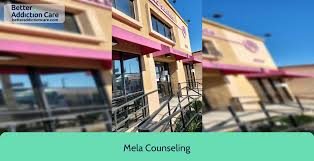
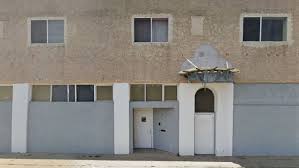
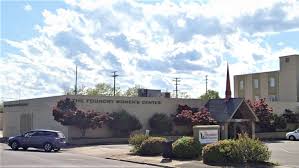
A center's daily program can tell more than a blanket label. The experience is shaped by the format of counseling, clinical support and how care is reviewed. Facility images and team information, if available, provide context to the service description. Looking at these details together can help you decide which programs you want to learn more about.
A useful comparison starts with treatment information. Check the centre's description of marijuana or cannabis care and support services. Then consider practical details such as the setting and payment information. This is a focused view of the program and individual clinical decisions are based on provider assessment.
Optional details can add another layer. Information on teams can aid in understanding professional roles. When available, reviews provide personal perspectives. Neither replaces a clear understanding of the services provided. They can, however, help you see aspects of the program that matter to you and topics you’d like to explore in a conversation with the center.
If you’ve had counseling or another program before, that experience can affect what you want out of it. You may need a different format, a clearer link between sessions and personal goals, or more attention to a co-occurring concern. These provide useful starting points for comparison. A new search can build on what you’ve learned, but also give you a fresh look at your needs.
Payment information can make shortlists more practical. Any insurance or payment option referenced in a listing is a starting point for individual benefit and cost verification. The provider and insurer can tell you what services are covered, any requirements that apply and what you would be responsible for paying. Those details give you a more complete picture of participation when you compare programs.
And perhaps support after an initial phase is also relevant. Programs vary in the way they structure follow-up, ongoing counseling, or referrals for other care. Understanding that part of the approach helps you see how the program responds to changing needs over time. It is a subject worth exploring, particularly if continuity is one of your priorities.
You can keep your short list manageable. Better a few programs with clear descriptions of the service and a structure you want to know about than a long list of names. From Highland Park or any other part of Birmingham, the goal is to find care that seems relevant enough for a closer conversation.
You can explore marijuana treatment with a clear focus on the support you want to understand. Read about the approaches that are described, consider the practical arrangements, and find out more about the centers that you are interested in. If you want to find out more about marijuana treatment options near Birmingham, then check out the listings on this page.