Methamphetamine is a stimulant, and behavioral treatment is an important part of care for stimulant use disorder. Programs can differ in the approaches they use and the way those services are delivered. A listing is more useful if it describes the counseling and structured behavioral support and the clinical team. It gives you a way to compare the substance of the program as well as its setting.
Some centers describe several types of addiction care within a broader program. Others emphasize particular services or populations. For a methamphetamine search, the useful point is how the provider deals with the stimulant-related needs in its work. A general description of the treatment may be a starting point but more detailed information will enable you to decide if the program is relevant to the issues you would like to explore.
Behavioral approaches can assist people to work on patterns associated with substance use and develop ways of responding to difficult situations. There is particularly strong evidence for contingency management with stimulant use disorder. It can be used in conjunction with other treatments such as cognitive behavioral therapy. The methods used and how those methods are organized can be important differences between programs.
Contingency management provides positive incentives for reaching agreed-upon treatment goals. This is an evidence-based part of stimulant treatment, not simply a general reward for going to rehab. If a program is describing this approach, its team can describe how it is delivered in the broader plan. The listing is a good place to see the service you’d like to discuss further as availability varies.
Cognitive behavioral therapy helps people learn skills that are relevant to substance use by looking at connections between thoughts, feelings and behavior. It may be used in combination with other treatments for stimulant use disorders. To get a better sense of how this work is organized, a center’s description of individual or group sessions can help. A name for a therapy is more meaningful when it is paired with a clear description of care.
Treatment settings have varying degrees of structure. Residential care is when you live in a facility and outpatient services are for people who don't live there. Intensive outpatient programs offer more substantial weekly schedules. The right level will depend on assessment and the person's circumstances. Knowing these differences can help you sort through the options without having to make a choice of clinical level of care all by yourself.
If you’re thinking about residential treatment, the daily program is an important part of the comparison. Different ways of organizing counseling, medical care and other support are possible. Learning more about the professional team and the services they provide can help give you a better idea of what your stay has in store. The setting provides context, but the care is the heart of the matter.
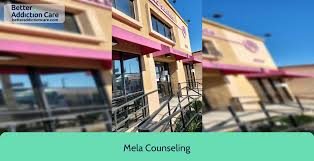
Where available, images of the facilities can help you visualize the environment. Information regarding staff roles and treatment services adds a further dimension. Reading the details together gives a more complete impression than one feature alone. This also lets you take into account personal preferences and the type of clinical support you are looking for.
An outpatient methamphetamine treatment can include regular sessions and ongoing contact with a program while a person continues living elsewhere. Intensive outpatient care usually entails more hours of intensive treatment per week. The frequency, timing and organization of services vary. A clear account of attendance makes the broad category easier to understand in practical terms.
For a Woodlawn resident, the location of recurring appointments may be of different importance than it is for someone who is going to remain in a residential setting. The address and timetable of a center help to clarify the practical side of the search. You can think of the arrangement as well as your own duties and discuss with the provider the clinical appropriateness. Location is a useful element of a larger comparison.
There are issues related to methamphetamine use and the time after stopping that may need professional attention. Mood, sleep and other mental health symptoms may need assessment and treatment, in parallel to the substance use disorder. Some symptoms may persist beyond the first stage of withdrawal. As part of a program’s overall services, the ability of a program to recognize and coordinate care of these concerns is worth exploring.
The aim is to understand the support provided, not to predict how someone will feel or how long it will take to recover. Individual experiences differ. A center that explains how its team evaluates needs, monitors progress and coordinates further care can provide helpful insight into its approach. These details may be especially relevant when prior treatment has left key concerns unresolved.
Sometimes acute stimulant effects may need urgent medical care. Severe or rapidly worsening symptoms should not wait for a routine treatment inquiry. For an ongoing search, the provider can explain the difference between immediate medical needs and the longer term services it provides. That helps keep that first stage of care in line with the larger treatment plan.
A person may have methamphetamine-related problems in addition to another substance use disorder or a separate mental health condition. Coordinated care can address these concerns in concert. When a program describes treatment for co-occurring disorders, specifics about the services and professionals involved make the description more meaningful. They help you see how different elements of care are integrated into the same plan.
Clinicians may use medication for certain needs, including some off-label approaches in stimulant treatment. This is a decision for you and your doctor to make, not to be chosen from a generic online description. It is helpful to know whether a program provides medical assessment and how any medication care is coordinated for comparison purposes. The provider can describe the services that are available and how they fit into care.
Some people like to explore the balance between individual sessions and group participation before choosing a program to contact. Understanding that balance can help make the day-to-day experience of treatment easier to understand.
Treatment strategies may change with changing needs. The support can include follow-up appointments, counseling and coordination with other services after an initial phase. The programs vary in what they offer and how they are organized. Clear information about ongoing care helps you see the whole program, especially if the transition between stages is a big part of your search.
If you are returning to treatment, you may have a clearer sense of what you want to explore this time. A different schedule, clearer communication or more attention to a co-occurring issue might shape your priorities. These experiences can make the comparison more pointed. They also enable a new evaluation of what would be appropriate now.
Payment information can help make a shortlist useful. A listing showing an insurance or payment category is a helpful lead, but individual coverage and costs must be clarified for the services under consideration. The provider and insurer can explain benefits, requirements and any amount you would pay. Such knowledge allows for a more informed comparison.
And there’s personal preference. Maybe you want to know about the program’s style of communicating, how it involves families, or what experience others have described. Reviews (if there are any) are individual perspectives, and not a prediction of your outcome. Consider them together with the details of the service and the professional support tailored to your own needs.
Starting your search in Highland Park or elsewhere in Birmingham, you can focus on programs you want to explore in terms of their approach and structure. Learn about the behavioral care, clinical support and continuing services that set them apart. You can scroll through the listings on this page to find methamphetamine treatment options that you would like to explore.